Great

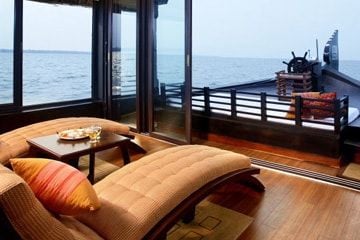
Fancy a Kerala houseboat as a vacation home?

Ever coasted down the backwaters of Kerala and lived the good life and wondered if you could own one of those beautiful houseboats as your...

Sunday, May 28, 2006

Hotel Rwanda holds a mirror up to Society


The other day, I saw a movie which is not in the eye of a storm and most are not even aware of its existence. It will never get a commercial release in India and even if it does – very few will want to watch it.

After all, the Rwanda genocide is so far back in people’s consciousness (if it’s there to begin with). The massacre between the Hutus and Tutsis (meaning ‘Tall Trees’ in Afrikaan and is in deference to their height. While in reality, the dominant tribe – the Hutus actually called them cockroaches.

The movie ‘Hotel Rwanda’ is gritty, superbly shot and every one of the actors, including the parts played by the guerilla leaders and other assorted soldiers is acted with a gut wrenching truth. But Don Cheadle steals the show as Paul Rusesabagina a Hutu manager of a Belgian hotel Des Milles Collines, which is frequented by expatriates for the touch of home, by foreign correspondents for a whiff of gossip and a good story over drinks and by the rich members of the local black community, for their delusion of safety.

Paul soon realizes that his hotel may become a refuge and not for just his tribesmen – the Hutus – but even his Tutsi neighbours look to him for protection. He has to play this game of Russian roulette with finesse because his personal stakes are high – his beautiful wife is a Tutsi (played by the beautiful Sophie Okonedo). He stands to lose her and his children in this mindless conflict.

What’s more, when the violence escalates, the people he’s always known and bribed for the hotel, so he could keep his guests happy with a steady supply of beer and scotch and fresh lobster, are the very people who threaten him – subtly and otherwise.

The scotch swilling Hutu colonel now tells Paul that he can’t provide for the security of his ‘guests’ because he knows all the whites have left and the guests are Tutsis who have taken refuge in the hotel.

Another Hutu friend who used to sell Paul the liquor on the black market also knows that he’s hiding ‘cochroaches’ in the hotel. So, he willingly gives him extra sacks of rice free “for the children” but he also tells Paul that things are getting dangerous and on the way back to the hotel, he should take the back route.

As this trip back is being made early in the morning, the heavy mist obscures view to just a few feet in front of the windshield and they feel the road become more bumpy by the minute. Paul tells the driver of the van to stop because he thinks they have gotten off the road. But as he steps out to take a better look, he steps on a body. And there are more bodies everywhere he looks or puts his feet. The van was on the road but on top of bodies, that littered it for miles!

He understands the horrible message and sees what’s in store for him, if he continues to protect the Tutsis in his hotel and ofcourse for the Tutsis themselves.

The UN is a metaphor of impotence in this movie. With Nick Nolte playing the UN commander in Rwanda with no orders to defend or shoot to save lives, he epitomizes the frustration of the soldiers on the ground, who’ve come from other countries to salvage the situation, but are forced to stand by and watch the carnage happening in front of their eyes.

The peacekeeping force may as well have stayed at home. But in a redeeming move, Nick Nolte’s character tells Paul and his guests to call in their markers – call all the influential people they know around the world – to help them get out safely from the hotel.

So, finally some relatives and friends from other countries are able to get some of these people out to Kenya, US, South Africa, Paul’s puts his family on the convoy too but doesn’t get on it himself because his hotel staff – who are mostly Tutsis - have nowhere to go, so he chooses to stay behind for them.

But one of them is a traitorous Hutu, who resents the rich Tutsis fleeing the country and calls up his fellow rebels to tell them about the convoy, which is later ambushed and Nick Nolte is barely able to fight off a murderous mob and get the people back to the safety of the hotel.

Then the electricity and water connections to the hotel is cut and so people cook by using water from the swimming pool. Another attempt is made to send the people to safety and this time Paul gets on the convoy – to do or die with his family beside him.

They make it safely, but not before, he’s shown watching millions of people forced away from their homes, with nowhere to go but lie by the roadside and die. He also loses family members in this insanity – his brother-in-law and his wife are never found but a social worker, who has rescued orphaned children (because there was a concerted Hutu policy to kill the next generation of Tutsis) and brought them to Paul, she is able to rescue his nieces and reunite Paul with them.

This is a true life story and Paul exists. He emigrated to Belgium. If I can’t get the movie out of my mind, I can only imagine, if Paul’s dreams are peaceful.

Again, what happened in Rwanda is a mistake made by the Europeans (Belgians) – the whites – who ruled Rwanda for so long and thought they knew what’s best for the black population. So, they promised to leave the country in the hands of the Tutsis –the minority tribe – but actually left it to the dominant Hutu tribe.

So carnage was bound to be the result. Why did the Europeans and Americans make such a mess of things, that well into the 21st century, these problems still persist? The Belgians in Rwanda, the British in Iraq, the Americans and Russians in Afghanistan. I won’t even bring India into the picture.

The superpowers played their dirty games in other countries and left a trail of blood, that should stain their consciousness forever. If down the ages, till the end of time, people are forever going to associate Germany with Hitler and Nazism, it was Austria’s good fate, that it never became a great power in modern politics and therefore never gave a platform for someone like Adolf Hitler to butcher an entire race, in the name of the its people. Poor Germans – will they ever live this down?

Everyone knows, absolute power corrupts absolutely. But what superpowers should keep in mind, that with absolute power comes absolute responsibility – for all mankind – and somewhere along the line, all the superpowers seem to conveniently forget this.

So, Rwanda is the result. The genocide has supposedly stopped after the Tutsis drove the Hutus away into neighbouring Congo. But how long this ceasefire exists, before it flares up again is anyone’s guess.

Monday, April 03, 2006

Sundari captures NRI interest

Ever wondered why having the right name matters? Well William Shakespeare certainly pondered this question because it apparently does matter. A luxury high-rise built in Manhattan is able to sell a few condominiums to Indian-Americans simply because the building's name appealed to them.

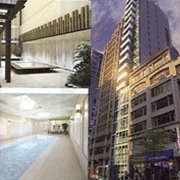
Coming up at 158 Madison Avenue in the Madison Square North neighbourhood and just a couple of blocks from the Empire State Building, is the first luxury building in the city with a distinctly Indian name - Sundari Lofts and Tower. And for nearly a million dollars or more, this address could soon be yours.

Sundari Lofts and Tower is billed as a collection of luxury high-end condominiums, containing 50 residential units. The apartments, ranging from studio lofts to three- bedroom units and penthouses, are priced between $700,000 and $2.8 million.

Residents can feast on gorgeous views of Manhattan, and the apartments have state-of-the-art kitchen, an on-site gym, sauna and pool and a Zen-like reflection garden, complete with a waterfall. Units range in size from 545 to 1,916 square feet.

The developer, Thorwood Real Estate, wanted a name that would reflect the Asian features of the development. Thorwood Real Estate is a joint venture between Joseph Sitt of Thor Equities and Andrew Heiberger of Buttonwood Real Estate and the condos are being marketed by City Habitats Marketing Group.

The apartment is targeted at young, successful professionals in their 30s or 40s, who may want to be a short walk away from work in midtown Manhattan. But once word got around, the developers were intrigued by enquiries from Indians who were simply drawn by the name. Soon, Thorwood sensed an opportunity and advertised in Indian publications in the United States.

Brad Meadow of the Thorwood Real Estate told CNBC-TV18, "We chose the name actually, just for its meaning - beautiful. But some friends I had spoken to, told me that in the Indian culture, the word resonates very much and has a deep meaning to Indians and Indian-Americans. So one of my friends suggested the Indian market might be a good one to reach, to see if there was any interest in the building and we got some good responses."

The building has been designed by Ishmael Levya Architects. Work on Sundari Lofts and Tower began in June this year, and construction is scheduled to be completed in December 2006. And once all the approvals are in place, the units are likely to be up for sale by the end of this year or early next year.


For more information click here: www.sundarinyc.com

Written for www.moneycontrol.com

Thursday, March 30, 2006

Why Martha Stewart inspires & causes ire

Martha Stewart is the first lady of homemaking. She's built an empire, Martha Stewart Living Omnimedia, on improving people and their lifestyle. Most newlyweds and experienced housewives have, at some point, looked up to her, to create that perfect home. She's taught generations of women and lately men, how to cook, buy those perfect bedsheets and throw cushions that goes with the Mediterranean motif vases etc.

Behind the stylish presentation - both the products and Martha herself - is the implication, that the rest of us need her and her recipes and her tips on beautifying our homes. So, she has a slew of magazines that attempt to tell us how to better ourselves and our environs.

But, the truth is and everyone knows it, that even before she came along, homemakers were swapping recipes for that delicious chocolate cake, or advising their friends on where to buy that fabric (at the best bargain sales) etc. Martha came along and added a touch of gloss and the additional pancake, make her magazines like Martha Stewart Living, Everyday Food, Kids, Martha Stewart Weddings and Body + Soul, so popular.

After all, the artistically designed pages of her magazines capture in all its technicolour glory, the behind-the-scenes work done by an array of food stylists, gourmet chefs, interior designers and photographers who stage the shoots. That's Martha's technique to pitch her empire at her audience. All well and good.

But can her average Jane audience, who don't live at addresses like Trump Tower or Park Avenue ever hope to get there? She's built her company with a canny eye for what she, correctly, perceived as a market, which didn't have anyone else doing anything, in the home and self improvement space. So she gave American housewives what they thought, they were missing.

These American housewives (and singles) have repaid her favour, a million times over. Today, her company is worth around $420 million and it's thanks to these consumers. So, what made a woman like her get involved in the ImClone stock scandal, something that made her money but was morally wrong? After all, she of all the people, could afford to take the losses.

What makes her the tough (as in mean) and testy boss, she's reputed to be? Certainly, not troubles at home. Her pillows must be fluffed just so and the roses must be cut fresh every morning, all of this done by expensive, paid help. So, why hasn't anyone heard of 'Martha donates a million dollars to the UN' - a la Ted Turner, but only on a much smaller scale? Perhaps, because she does good old charity work quietly. Or perhaps, she just doesn't care.

She's made her money by telling other people how to improve their material belongings - a home, kitchen, garden, estate/property, themselves. And her audience are the wealthier citizens (in comparison to Third World citizens), of rich countries - I've yet to see a Martha Stewart publication in India. So, she's not going to find her kind of captive audience anywhere but in the US, UK, Canada, Australia etc.

Martha Stewart lives through her image and her 'products' are supposed to amplify the wholesome, pure, beautiful, innovative, caring, loving side of her followers and by extension - hers as well. Well, she does not come across as loving and caring and wholesome. Why is that some other adjectives come to mind, when one sees her - and I'm not just thinking innovative, canny, smart, shrewd etc!

Somehow, Martha Stewart is just not able to make herself more likeable or even an inspiration to others. Here's a list of women with her attributes, who inspire others:

Blonde hair: Marilyn Monroe, Princess Diana, Cameron Diaz, even Britney Spears.

Business woman: Oprah Winfrey, Anita Roddick, Coco Chanel, Estee Lauder.

Short hairstyle: Princess Diana, Halle Berry.

All the money Martha Stewart's made in the world, won't get her some of the many compliments bestowed on these other women, because she couldn't care less.


Written for www.moneycontrol.com

Monday, March 27, 2006

The Vagina Monologues

What does the V-Day have to do in today's context? Well this V-Day has to do with celibrating the vagina and its marvels and not about celebrating the end of the Second World War. In 2003, after just five years, V-Day is a global movement that aims to stop sexual abuse of women and as of 2003, has already raised over $13.5 million. In 2001, it was named one of the "100 Best Charities" by Worth magazine.

And the play 'The Vagina Monologues' has made all this possible. This play has been more of a power statement for women, than anything else. And its work will be done, only when violence against women and little girls stops. That kind of utopian world will allow women to just be.

#It will also allow girl children to be born in China and Korea.
#Allow women to go swimming in Iran.
#Allow them to eat icecream in public in Afghanistan.
#Sleep safely in their beds at home in Asia, USA and Europe.
#Keep their clitorises intact in Africa and Asia.
#Wear blue jeans in Italy.
#Vote in Kuwait.
#Walking in the park at night in the US.
#Harmless flirting in Jordan.
#Driving in Saudi Arabia.
#Safe at college campus parties.
#Wearing trousers in Swaziland.
#Walking safely home from work in Juarez, Mexico.

So until women can be open about their desires, love their bodies and enjoy sex, a play is hoping to emancipate them. And a play that talks about the vagina is a rarity in any part of the world, so when 'The Vagina Monologues' comes to India, you should grab the opportunity to watch it.

It was written by Eve Ensler and has been translated into 35 languages. Last year, she and Hollywood stars like Marisa Tomei and Jane Fonda performed the play in Mumbai. This play has gone around the world and has been performed in Antarctica, Argentina, Australia, Belgium, Brazil, Bulgaria, Canada, Chile, Colombia, Costa Rica, Denmark, Dominican Republic, Finland, France, Great Britain, Guatemala, Hong Kong, Hungary, Iceland, Israel, Italy, Korea, Lithuania, Mexico, New Zealand, Norway, Panama, Peru, Phillippines, Portugal, Romania, Singapore, South Africa, Spain, Sweden, Switzerland, Turkey, United States, Puerto Rico, Uruguay and Venezuela.

And now, Poor-Box Productions has brought it to India. With a cast comprising producer and performer Mahabanoo Mody-Kotwal, Dolly Thakore, Avantika Akerkar, Jayati Bhatia and Sonali Sachdev. These sterling performers are putting up a show that should be made mandatory viewing for all the men in this country and women should go to learn more, about a very vital part of their body. A largely ignored part of their body. A mostly used and in many cases abused part of their body.

The abuse rather than the neglect is really why this play is in existence. Eve Ensler was inspired by the stories of over 200 women and her own personal experience with violence. This play is the story of all those women who have suffered rape, incest, female genital mutilation, FGM, marital rape and well, just plain dissatisfaction with their sex lives.

This play has an urgency to it, precisely because it is addressing such volatile issues as men being unable to satisfy women or in some case, not even knowing where the vagina is! Then there are men at the other end of the spectrum, who get turned on only "when he shaves my vagina."

Or as is the case of a man named Atul Kulkarni (not the actor), who visits a prostitute and initially doesn't do much, but then after his hands accidentally touch the woman's, it sparks sexual electricity and how! He then loses his inhibitions and sees how beautiful and desirable she is - all the while he is saying and addressing this to her vagina!

The hilarity of these situations are so incredibly brought out by these expressive and talented actors - to hear them emote these scenes is a privilege, not to be missed. Their voices express a range of emotions - from rage, pain, fun, exasperation to cock teasing and orgasmic. Jayati Bhatia does a musical range of orgasms, that is just so mindblowingly funny, you will ache after having laughed so hard and for so long.

Besides do you know how women would like to dress their vaginas, if they could? Well, how about in diamonds, peacock feathers, fur etc

Do you know how the vagina tastes....well, if your imagination is running really wild at this point, then you know you will be waiting to watch this play!

Written for www.purpleparka.com

Friday, March 24, 2006

The hot new ornament for 2006

Remember a time, when calendars were just meant to be looked at, to check on the day/month/week etc? But these days, they have to be extremely ornamental as well. Or should I honestly say, it should show skin and lots of it to qualify being displayed, as a work of art in your living room or office lobby.

Here are some really sexy ways to keep track of your appointments and dates in 2006.

Channel V recently launched its limited edition calendar featuring the likes of VJs Pia, Sarah-Jane, Archana, Juhi and Tina in all their natural and unnatural glory. Of course, gracing the occasion were a small but steady posse of celebrities who themselves took quite a shining to the cameras.

And, in the tradition of all good events, the party started almost an hour late, leading mere mortals to wonder whether the chief guest had bothered to check his calendar. Moral of the story: When it comes to dates, get a calendar with women on every page.


The Kingfisher calendar

Mention women and calendars in the same breath, then Vijay Mallya can't be far behind. His Kingfisher calendars are hot and has the best bodies in the world of modelling, dying to get on it. A regular who has been featured in this calendar, has been Yana Gupta and a new flavour of the season seems to be Pia Trivedi. It goes without saying that this calendar is mostly beaches, babes and bikinis. Also, the calendars are not sold, they are handed out to maintain exclusivity, so try and steal them!

But the really first Indian corporate to put out beautiful women and handsome men on desktop calendars, made out of handmade paper, was the Taj Group of Hotels. Every year, Tata Group executives got these classy calendars and for the most part, there was a theme - '100 years of the Taj Hotel', the 'Retro Look', the 'Bohemian theme' etc. Indian designers get to showcase their clothes on Indian models. These are tasteful calendars featuring gorgeous people, and for those who don't prefer the rampant skin show.

Writing about calendars that show a lot... of stuff, then one is reminded of the grand daddy of such calendars - the Pirelli calendar. This Italian tyre brand is forever associated with putting on the most beautiful, the boldest and the sexiest people on the planet, in really compromising positions and photographing them.


The Pirelli calendar

You think this is just hyperbole. Well, this year's calendar had Naomi Campbell in the nude with her boyfriend, also in the buff, lolling around in bed. Sorry guys, this year is almost out...so there's no way you are getting to look at this nude fest!

In 2006, the Pirelli calendar has the Brazilian hottie Giselle Bundchen among many others, in their birthday suits, most of the time. Still want to know more? Well, try and get your hands on this calendar. That should be your first New Year's resolution for 2006.

Or, here's a link to the website, where you can check out the Pirelli beauties. http://www.pirellical.com/thecal/calendar.html

Written for www.moneycontrol.com

Tuesday, March 21, 2006

Give VIP business guests a taste of Mumbai

You are a week away from closing a huge deal with a foreign partner and you want to make a proper impression. You've done your homework and the presentations are made, now all that's left is to really do some serious entertaining.

So, do you have any clue where to take them for a really good meal or a night of dancing, in Mumbai? This city is sprouting new restaurants and nightclubs like weeds, so we will do moneycontrol readers a favour, by narrowing down the best restaurants, bistros, nightclubs and patisseries in Mumbai for them. The food in these places is pricey and the ambience stylish, and all that adds up to a hefty bill. So don't say, we didn't warn you!

But, if you are playing in the big league, what's a few thousand bucks mean to you anyway. And if you are wrapping up a deal, that will surely impress your boss, then he/she won't mind you putting it on the company's expense account!

Or you just want to make an intimate, private moment very memorable. So go ahead and do it in a style that will be remembered, for some time to come. Go ahead and indulge...

Here's a guide to fine dining in Mumbai. We give you a category-wise break-up of the best in the business. Here they are:

Best Western/European restaurants in hotels
M at Grand Hyatt
Trendz at Intercontinental The Grand
West View at ITC, Grand Maratha
Zodiac Grill at The Taj Mahal Palace & Tower

Best Western/European standalone restaurants
Bohemia
Indigo
Moshe's
Monza
Olive Bar & Kitchen
Rain Bar & Eatery
Shatranj Napoli

Best Italian restaurants in hotels
Celini at Grand Hyatt
Corleone at Intercontinental
Mezzo, Mezzo at JW Marriott
Stax at Hyatt Regency
Trattoria at Taj President
Vetro at The Oberoi

Best Italian standalone restaurants
Casa Linga
Don Giovanni
Little Italy
Mangi Ferra
Pizza Express
Santino's
Spaghetti Kitchen

Best Chinese restaurants in hotels
Emperor's Court at Renaissance Hotel and Convention Centre
Golden Dragon at The Taj Mahal Palace & Tower
Imperial China at Le Royal Meridien
Ming Yang at Taj Lands End
Sampan at Holiday Inn
Shanghai Club at ITC Grand Central
The Oriental Blossom at Hotel Marine Plaza
The Great Wall at The Leela Kempinski

Best Chinese standalone restaurants
China Gate
Chinese Palace
Henry Tham's
Ling's Pavilion
Mainland China
Royal China
5 Spice

Best Pan Asian Hotel in hotels
All Stir Fry at Gordon House
India Jones at Hilton Towers
Pan Asian at ITC Grand Maratha
Spices at JW Marriott
Woks at the Intercontinental, The Grand
Far East at Rodas Ecotel

Best Pan Asian standalone restaurants
Asia Wok
Busaba
Joss
Seijo & The Soul Dish
Sidewok
Temple Flower
Tian

Best Lunch Buffet
Bay View at Hotel Marine Plaza
Brasserie at Le Royal Meridien
Citrus at The Leela Kempinski
Frangipani at Hilton Towers
Lotus Cafe at JW Marriott
Peshwa Pavilion at ITC Grand Maratha
The Glasshouse at the Hyatt Regency

Best Sunday Brunch
Citrus at The Leela Kempinski
Hornby's Pavilion at ITC Grand Central
Indigo
Lotus Cafe at JW Marriott
M at Grand Hyatt
Olive Bar & Kitchen
Trattoria at Taj President
Vista at Taj Lands End

Best Coffee Shop/All-day dining places
Brasserie at Le Royal Meridien
Citrus at The Leela Kempinski
Frangipani at Hilton Towers
Glasshouse at Hyatt Regency
Lake View Cafe at Renaissance Hotel
Lotus Cafe at JW Marriott
Trattoria at Taj President
Vista at Taj Lands End

Best Nightclubs
Enigma at JW Marriott
Insomnia at The Taj Mahal Palace & Tower
Lush at Phoenix Mills
Polly Esther at Gordon House
Ra at Phoenix Mills
Rock Bottom at Ramee Guestline
Squeeze
Quilla

Best Patisserie
Bombay Baking Company at JW Marriott
Gourmet Store at Grand Hyatt
Grand Delicatessen at Intercontinental, The Grand
Indigo Deli
La Patisserie at The Taj Mahal Palace & Tower
Sugar & Spice at Taj President
The Gourmet Shoppe at The Oberoi
Theobroma
Desserts R Us
Gaylord
Ovenfresh
Churchill
Birdy's

Now for a taste of India and some authentic Indian cooking, short of taking your very important guests home, these are some of the places, you might want to consider taking them to.

Best North Indian restaurants in hotels
Dum Pukt at ITC Grand Maratha
Kandahar at The Oberoi
WG's Kebabs and Kurries at ITC Grand Central
Nawab Saheb at Renaissance Hotel
Saffron at JW Marriott
Soma at Grand Hyatt
Kebab Korner at Hotel Intercontinental

Best North Indian standalone restaurants
Copper Chimney
Great Punjab
Jewel of India
Khyber
Mela
Moti Mahal
Shalimar
Zaffran

Best South Indian restaurants
Ramanayak Udipi
Cafe Madras
Cafe Mysore
Mani's Lunch Home
Ram Ashraya
Woodlands Garden

Best restaurants that serve thali
Bhagat Tarachand
Chetna
Golden Star Thali
Panchavti Gaurav
Rajdhani
Shree Thakker Bhojanalay
The Friends Union Joshi Club

Best coastal food restaurants
Ankur
Gajalee
Gomantak Boarding House
Konkan Cafe at Taj President
Mahesh Lunch Home
Sadichha
Sushegad Gomantak
The Excellensea
Trishna
Churchill
Salt Water Grill

Best regional fare
Aram
Goa Portuguesa
Howrah
Jimmy Boy
Oh! Calcutta
Panshikar Aahar
Rice Boat
Swati Snacks
Thackers

Written for www.moneycontrol.com

Thursday, March 16, 2006

Feel the thrills leap off the screen

You just love the new Bang and Olufsen home theatre system but the thought of setting it up just daunts you. Don't worry, help is here. If you know what to expect, then the task doesn't seem all that overwhelming.

First begin with a good flat panel displays, better known as plasma TVs. A lot of brands are out there but a Kores 42 inch is definitely going to hog space in your apartment. So trying hanging it on the wall. The Kores plasma display has got an SVGA output, which means it gives decent resolution for DVD, VCDs etc. It is not a very well known brand but is a value for money buy.


It has two speakers like any other TV and also a built-in tuner, because of which you can watch off-air broadcasts, cable TV. This comes with a table stand and a wall mounted bracket, in case you want to put it up on the wall.

Next pick the DVD player. A Yamaha DVD player is just as good as any other brand. But the reality is that the better DVD player you buy, the picture quality will be that much superior. Apart from playing DVDs, the Yamaha player also plays SACDs (Super audio CDs), DVD audio, and also plays games. So this system will be able to play gaming CDs that have been burnt on a PC.

The next step is to look at a good home theatre receiver that will decode, process and amplify all you signals coming in from the DVD player. This is the heart of the home theatre system and it's called a AV Receiver or a AV Amplifier. Everything comes together in this unit and gets synchronised perfectly to give you that perfect viewing experience.

The next step is selecting a whole set of speakers and take competent advice to do this correctly. Take a knowledgeable friend along if you have to. But whatever you do, don't skimp on surround speakers for that groovy movie theatre feel.

Another thing that costs quite a bit is the cables attaching each of these devices, so you wouldn't want to do it wrong. But once you are all wired up, then you will be ready to go on just about any cinematic journey or musical odyssey.

Tips for setting up a home theatre
Keep centre speaker directly above or below the display (TV).

Front speakers should be close to the display and in the same plane.

Don't stint on buying the best DVD player and surround speakers.

Written for www.moneycontrol.com

Monday, March 13, 2006

Adfilms is all chills, thrills & fun in minutes

The 'Night of the Adeaters' is a unique advertising festival started by Frenchman Jean Marie Boursicot, a 52-year old, who has taken his passion for adfilms seriously and collected over 750,000 clips of ads from all over the world.

He's showed this collection off in various cities around the world, like Dubai, Sidney, Brussels, Geneva and Milan. This was started in 1981 and has grown into one of the most interesting festivals.

Jean Marie Boursicot told CNBC-TV18, "When I discovered that advertising agencies never conserve their work, I decided to have my own company with my little collection. Now, ofcourse, it's grown huge because we have more than 750,000 films from all over the world."

That is the reason for the existence of his company, Cinematheque. But the cost of preservation and restoration proved to be expensive on his pockets, so, this unique adfilm festival was born in France.

Now, this collection travels across 160 cities in countries like China, Japan, Mexico and Russia. Mumbai got a glipmse of those celebrated adfilms only recently and ad buffs, who can do without the serials but not the ads, shouldn't miss an opportunity to view these clips.

Boursicot says, "The Night of the Ad Eaters is an annual rendezvous and people are coming every year to see the collection. I'm hopeful of organising this festival again next year, not only in Mumbai but in 6-7 other Indian cities and with a real duration of seven hours of ads."

The event showed some 200 adfilms and the audience lapped it all up. Some in the adworld were also impressed. Veteran adman Prahlad Kakkar says, "I think it's a glorious occupation because ads are actually the reflection of a society in transition. So, if you ever want to find out what India is like at this particular time and moment, all you have to do is look at the 100 most successful ads, not necessarily the best ads."

An Italian viewer at the festival, Antonio Pasano sums it up, "In India you have a lot of channels with movies and lot of other advertisements. These channels should have advertisements with some movies around it!"

To know more about the Adeaters festival:
http://www.adeater.com/html/passion.htm

Written for www.moneycontrol.com

Sunshine Boys put final touches to the play

There is good news for theatre buffs. Neil Simon's hit play, 'The Sunshine Boys' is playing in Mumbai for the next few weeks.

The cast is made up of theatre veteran Hosi Vasunia, Riyaaz Makaney, Vishaal Asrani, Heena Kamte and Kamal Mulla. Sam Kerawala is directing this play. The play is about a film agent's attempt to get two crotchety, old vaudeville artistes, Lewis and Clark, to perform together again. This means, they have to put aside their differences and get their act together, for a comeback. It has all the makings of a Neil Simon comedy - clever one-liners, and witty repartee.

Actor, Hosi Vasunia told CNBC-TV18, "This is a play about two old-time comedians in vaudeville, which is a different kind of comedy in America."

This play was first written by Neil Simon in 1972 for Broadway. The Sunshine Boys was adapted by the playwright for the big screen in 1975, which earned actor George Burns an Oscar and Walter Matthau an Academy nomination.

He also later wrote an updated version of the play for television, which was produced in 1995 but was then shelved for the time being. It was later shown during the Christmas holidays in 1997. This version starred Woody Allen and Peter Falk.

A colourful history....

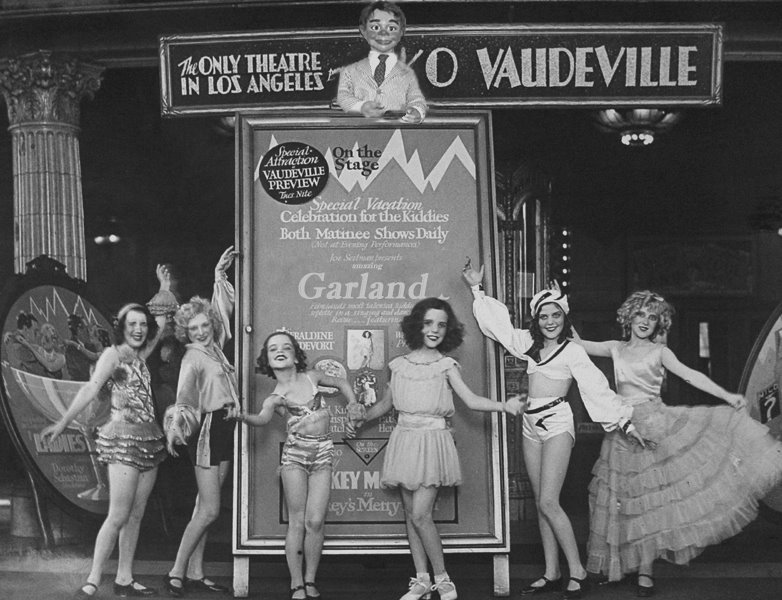
Vaudeville is an art form that has its roots in America, where it began life as a kind of entertainment for the masses after the Civil War. It was after 1871, the term vaudeville, itself, referring specifically to American variety entertainment, came into common usage. This was also the time when the 'Sargent's Great Vaudeville Company of Louisville', was formed, which had little in common with the vaudeville of the French theatre.

MB Leavitt, who was a variety showman, claimed the word originated from the French "vaux de ville" which meant "worth of the city, or worthy of the city's patronage", but in all likelihood, the name was merely selected "for its vagueness, its faint, but harmless exoticism, and perhaps its connotation of gentility."

Initially, Leavitt and Sargent's shows didn't differ from the coarser material presented in earlier itinerant entertainments, but their use of the term 'vaudeville' points to an early effort to cater variety amusements to a growing middle class. Therefore, needing a little touch of respectability, questionable references and innuendo was done away with.

Some of the savvier show managers were more successful in tapping an emerging class of white collar workers, with more money and leisure time on their hands. In the 1880's, a former ringmaster with a circus turned theatre manager, Tony Pastor capitalized on this and his New York theatres began to feature "polite" variety programmes.

He was hoping to draw in a potential audience from female and family-based shopping traffic, so he barred the sale of liquor in his theatres, eliminated questionable material from his shows, and offered gifts of coal and hams to attendees. Pastor's experiment proved successful and other managers followed suit.

Catch it at the Tata Experimental Theatre in Mumbai, where an Indian cast is putting the finishing touches to the play

Written for www.moneycontrol.com

Thursday, March 09, 2006

Harlem Globetrotters to shoot hoops in India

Enjoying a game of basketball with hot dogs and soda is a quintessential weekend activity in the United States. The famous Harlem Globetrotters are coming to India, to give Indians a taste of the American life.

They are undoubtedly one of the most famous and skillful basketball teams in the world. Their unusual style has set them apart, in a league of their own - be it their antics on the court or their rather descriptive names. Speaking of things unusual - they should feel right at home, when they come to India in September. Hopefully, they will come with their adorable mascot, Globie, who unstintingly appeals to children. One look at him and you'll know why!

The team was originally formed from the Wendell Phillips High School. The team played in the Negro American Legion League as the "Giles Post," and in 1927 turned professional as the Savoy Big Five under manager Dick Hudson. Later that year, promoter Abe Saperstein (Hall of Fame, 1971) bought the team and renamed it the Harlem Globetrotters.

Up until the late 1930s, the Globetrotters were a serious competitive team. Starting with the acquisition of Inman Jackson, the Globetrotters began to work more light entertainment and comedic routines into their appearances, but could still play with the best of the professional teams.

In 1939, the Globetrotters were runners-up to the New York Rens (Hall of Fame, 1963) in the World Professional Basketball Tournament in Chicago. The team won the tournament in 1940. After World War II, the team lived up to its name and became real "globetrotters," travelling the world and entertaining thousands. With players such as Geese Ausbie, Goose Tatum, 1998 Hall of Famer Marques Haynes, Curly Neal and Meadowlark Lemon, the Globetrotters quickly became ambassadors of bringing their showmanship to millions.

The team has played over 20,000 games in more than 100 countries around the world. The Globetrotters have often taken the game beyond its definitions of winning and losing. And that's exactly what they have set out to do in India. Here, they will promote the game to remind people that sport is still fun.

This team appeals to little children like no other. Take a look at their website and you will understand the reason. They have a Flash Media programme that allows kids to play basketball games online and score hoops and jigsaw puzzles of team members, which they can put together. All this is off-court.

But on court as well, this is just the kind of interactive play and showmanship that they are famed for.

Written for www.moneycontrol.com

Cuba's Picasso steps into the art world

Juan Antonio Picasso's got exciting genealogy and painting in his blood. So watch out for him!

MANALI ROHINESH

If you're all set on having that beach house and convertible after retirement, chances are that you have explored the idea of investing in art. So have you considered a Picasso to keep you in comfort later in life?

Every Picasso fan, at some point must have wanted to own an original work. One may want some of his etchings, or something from the blue period or a work from his cubism period Well, owning an original Pablo Piccaso in this lifetime might not become a reality, most likely due to budget constraints! But a slightly lesser known Piccasso could be yours for the right price.


Juan Antonio Picasso's ancestors


Francisco Picasso Guardeño and Cristina Serra's first son,
Juan Francisco Aurelio Picasso Serra (1879-1924)


Francisco Aurelio Picasso's wife, Elvira Granados,(1878-1977)


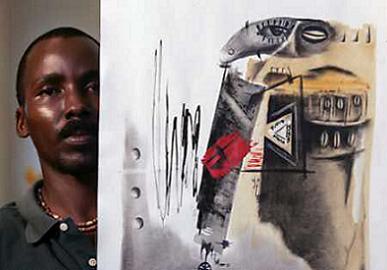
Juan Antonio Picasso is a descendant of Pablo Picasso's grandfather. He has just opened an exhibition of 15 watercolours at a Havana Gallery last year. Though he admits that the famous last name is not helping him sell too many paintings. So, how is he related to the great man Pablo himself? Juan Antonio's great-great grandfather was Francisco Picasso Guardeno, who was the grandfather of the famed painter Pablo Picasso.

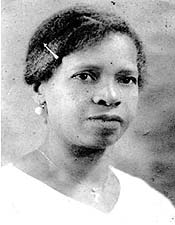
The family history becomes colourful at this point. According to published sources, Francisco Guardeno left Malaga, Spain and his wife and four children behind and headed for Cuba. Here, cupid struck and he fell in love with Cristina Serra, the daughter of a freed slave and started another family. He named the four children from this marriage after the ones he left behind in Spain. This familial ties bound him down more permanently to Cuba.

To date, this multi-racial love story has left behind 41 descendants, out of whom 31 are alive. They all descend from Juan Francisco Aurelio Picasso and his wife Elvira.

So Juan Antonio Picasso has the right genes and the flamboyant personal history. He told CNBC-TV18, "These are different time periods and he made a mark in his. His (Pablo) beginnings weren't very successful and there were times at the beginning of the 20th century, that he burnt frames to keep warm."

Well, if any of that talent has been inherited along with the last name, go and get yourself one of Juan's work. A 1905 Picasso was auctioned by Sotheby's for a record-breaking $104.1 million last year. So you never know, you may be sitting on a potential goldmine with Juan's paintings on your walls.

Written for www.moneycontrol.com

Thursday, February 23, 2006

Celebrate with drinks on the house

Do you fancy a drink James Bond style - shaken and not stirred? Or want to imagine your on the deck of a luxury cruise ship drinking champagne? Sip it and meditate over the future or get nostalgic about the past. Either way, having a bar at home might appeal to your finer instincts and get your imagination going as well!

Putting together a shot of whisky over rocks after a hard day at work is such bliss. It’s also easier to put together. Besides, if you don’t know how to mix your martini with a twist of lemon, then there are a lot of websites that come to your rescue.

But what’s a lot harder is how do you find the space in your home to put a bar in, in the first place. With homes being priced by the precious square feet parameter, every corner of a home is utilized to the utmost. So, putting together an elaborate bar is not an option for many people. But, if you are the type who frequently entertains, then you simply can’t do without one.

If space constraints and a tight budget are what’s keeping you from becoming popular with your boss and colleagues, then fear not, there are cheaper and innovative options for you.

First, use space inventively. All architects will tell you this, that a corner that can’t accommodate any huge piece of furniture, could be used to install a recessed bar. A niche in the wall with a simple pane of frosted glass can be just as effective as anything more showy.

A trolley, the kind that some people use to wheel in breakfast- in-bed or on which they have snacks, while watching a movie at home with friends, well, this is just perfect to be wheeled around your apartment, as and when needed, and after use, it can be tucked in neatly into a corner.

An architect, Shilpa Kushe says she had space constraints in her own home, so she got a counter made, on top of which she’s put a lamp and some knick knacks. But when guests come over, the counter-top is cleared off, the lamp is turned on and out comes the bar – from the open corner of the counter.

She’s fixed it so snugly into the corner that it looks like a solid chunk – a closed floor to waist level cabinet. But when you pull out the trolley, it comes out smoothly on castor wheels - out of the side of the unit. A clever use of space and she has a custom-made piece of furniture, that she can use for various purposes. She says, any carpenter can make this within Rs 3,000 - Rs 5,000.

Again, this is for those on a very lean budget. Using materials that are easy to wash or wipe clean and something that is scratch resistant, should be the first priority. Using wood is a good idea but just a polished granite slab or a marble top will give an ordinary counter, a classy feel.

Kushe has another option for people who don’t want to hunt for a carpenter and then shop for materials. She told moneycontrol, “Stores like Bombay Stores have readymade wine racks that are small enough to be put on a dining table or even a kitchen counter. This isn’t a bar but it serves the purpose of keeping your wine in an accessible place, rather than in the back of a cupboard.”

“Also with all the glassware being in the kitchen. The portable rack can be put right next to it. So, you have everything within easy reach. Though, this will keep the liquor out of sight of guests and may tie you down away from the fun, but then you can give guests access to your kitchen and let them help themselves.”

Actually, that won’t be such a bad idea at all. Ofcourse, plan on spending a little more on keeping a well stocked selection of drinks. It doesn't have to be vintage wines or aged cognac because these don't come cheap. But all the same, there are Indian brands like Sula Wines and Indage, that are producing good white, red and sparkling wines. Buy your labels sensibly.

With such abandoned access to free liquor, your guests won’t mind mixing their own cocktails. You might also win approval for being such a free and generous spirit!


Written for www.moneycontrol.com

Tuesday, February 21, 2006

Look sexy in La Moda's ultra cool clothes

Are you looking for exclusive clothes to wear that no one has got their jewelled fingers on yet? Those daringly low necklines for that cocktail party or a sequinned top for a night of clubbing - if this is the sort of thing your are looking for, then Mumbai has got to welcome a new entrant.

La Moda will soon be in Mumbai, once a minor issue of space is resolved and Leena Sekhawat can get started. She is an importer and exporter of clothes and is based in Milan. She plans to bring down a range of clothes from various Italian boutiques, that she sources from.

She was briefly down for three days to scout for business and a sneak peak at the clothes proves that she's got great taste. So people, you know where to head once she sets up her own boutique.

Unfortunately, she's going to be dressing up female bodies only, so men will have to stick to their tried and tested wardrobe!

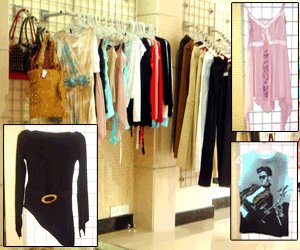
There were flowery dresses, an A-line, lime coloured, combination of crepe-tulle fabric skirt, tops with assymetrical cuts and sizzlingly seductive necklines. There were short playful skirts and Elvis Presley in his element on a sleeveless, sequinned top.

Then there were wrap tops in blue, green and pink. Snazzy front tie-ups ending at the hip or a longer one that hugged the silhouette, was also there for women with gym-toned figures to flaunt.

Then there were hip hugging pants with the maximum waist size being 30 inches, and shimmery belts to complete the party look. To round off the hip look, La Moda also had some handbags, but she could do with expanding the range a little bit.

But Leena has plans to dress up TV channel anchors and not your typical Page 3 types, though even they are welcome to buy her clothes. She told moneycontrol, "These clothes are for people with good bodies. In Italy, people wear far more daring things." She hopes Indians can carry off her clothes well.

If dressing daringly is what Indian women have been waiting for, to declare that they have arrived, then they know where to go, the next time Leena Sekhawat is in town.

For enquiries e-mail Leena Sekhawat at: lsekhawat@yahoo.com
Written for www.moneycontrol.com

Tuesday, February 14, 2006

The Lankan Fantasy

Endless white seashores edged by groves of coconut trees ran for miles, parallel to the road we were driving down, from Colombo to Bentota. Sri Lanka is the ‘Emerald Isle’ of South Asia and with good reason. For me, as an Indian, Sri Lanka is a two hour flight to the south and because this country features prominently in one of our epics – the Ramayana, as the kingdom of the demon-king Ravana. But in Sri Lanka itself, there is no sign of him. He is neither feared or revered; he could as well be declared absconding! The real reason being, the Sri Lankans do not consider their country to be the abode of Ravana that the Ramayana describes and calls ‘Lanka’. Hence, there is no acknowledgement of Ravana having interfered in India’s domestic policy even back then! But as we fly over the north of Sri Lanka, the pilot urges us to look out of the windows to our right and points out the remains of the ancient bridge connecting the two countries. The same bridge, over which Lord Ram led an army into Lanka to rescue his wife, Sita, who was abducted by subterfuge by Ravana. Besides myths and legends, Sri Lanka and India sport lots of similarities, while the dissimilarities are stark and obvious. We seem to share an abundant coastline, a rich culture, love of scrumptious seafood and people with happy, sunny dispositions. But there the similarities end. Another interesting facet is the hundreds of statues of Buddha which dot the country. These ranged from small statues encased in glass to monoliths placed in strategic places. They were made of a bewildering range of metals – bronze, copper, gold-plated ones to marble, terracotta and plaster of Paris. The bigger ones were enclosed in open verandah like structures, so visitors could step up for a closer look. The walls were usually painted with stories that illustrated Lord Buddha’s life in pictures. No inch of free space was wasted. Beautiful murals instead of bare walls give Colombo and many parts of Sri Lanka, a very chic and bohemian look. With intelligent use of space, Sri Lankans have etched the life and times of their presiding deity for the contemplation of all. Thus, keeping at bay, graffiti and ugly paint jobs. Even with Lord Buddha peering over everyone and everything, secularism in architecture is really the order of the day. 

Shopping malls have an eclectic, ‘anything-goes’ style. Odell, the premier shopping mall is actually a refurbished Dutch mansion, with the façade painted a chaste white while inside is fusion of designs. Well-appointed rooms lead off from one to another with wood finished parquet floors with palm trees lined up in the middle of the building that opens up to a high skylight. A French patisserie that is all homely wood serves delicious, freshly baked croissants, coffee and smoothies. The display area showed Scandinavian influences – with sleek steel, open-faced display racks that have been well spaced out, showing off clothes and books to advantage. Shoppers could move around the display area instead of being hemmed in by a counter or other shoppers. Some recessed, well lit niches held handbags, books and CDs. Everything seemed to belong and fit seamlessly into one another, despite the difference in style. 

After we land in Colombo and drive across the city, I realize this just could not be Mumbai. The architecture differs by far. Both cities are commercial capitals of their respective countries, but the British influence is felt in our Mumbai's Gothic buildings that we inherited after Independence. In Colombo, the architecture is Art Deco and sometimes Classical or just plain whimsical. Dutch influences are everywhere, but so are British names, which live to this day. I drove through Colombo's exclusive Cinnamon Gardens enclave, where the foreign embassies are located and saw plaques with names like Barnes Road, Kinsey Road and Norton Road. This was an absolutely delightful, quiet and verdant section of the city – more along the lines of Colaba than Breach Candy. The city’s skyline has not been cluttered with skyscrapers. But the buildings compete to outdo each other with grandiose spires, temples on the terrace, or elevators on the outside façade of the buildings. Only on one occasion did I see a staircase in front of a shopping mall that extended perpendicularly from the second floor and dropped from there in a sinuous twist – it was designed to look like a curvy coconut tree trunk! Across the entire city, buildings did not go beyond the third floor. Each section had a very distinctive look. The Cinnamon Gardens area was all white stone and tiled roof with intricately carved lintel and lovely wrought iron balconies and gates. Most shopping malls were two-storey glass affairs that blazed a vivid yellow, airy blue or electric red, depending on the colour of the reflective films they were coated with and imparted that crazy-fun atmosphere. I even saw buildings painted in eclectic shades of blue, red and yellow or a three-tone colour scheme of just kaleidoscopic purple. I’m referring to only one building here which was painted three shades or three different colours! It did make for a visual feast that remains in one’s memory. 

Apart from the splash of colours, the Sri Lankans are good at clever and innovative use of space. I passed by a little cottage abutting the main road in Kalutara, a small village on the way to Bentota (which is their premium beach area). I saw a man standing in a giant oval shaped photo frame! When I took a closer look, I realized that was his door. It had been cut into the stone exterior of his cottage in a perfect oval and the doorway was framed by wood trim that was painted a green colour. 

In Galle, the southern-most point of Sri Lanka, a mansion called the Historical Mansion/ Museum that belonged to a Dutch officer has been renovated and is maintained by the Sri Lankan Tourism Department. Here, the high wood ceilings and floors have been saved from termites and vandalism. The museum does have a good collection of ancient telephones, cameras, utensils, lamps and jewellery used in earlier eras. Behind the mansion, a courtyard that seems inundated with lush vegetation is hemmed in by wooden galleries on the remaining three sides. These are living quarters for the artisans who craft exquisite jewellery for the export market and work from here. I did not see any hint of unseemly extensions or deletions in the décor. The artisans seemed to be aware of the importance of the place they called home. In Sri Lanka, transport is mostly by SUVs and MUVs (multi-utility vehicles) of foreign makes like Mercedes-Benz, Toyota, Honda and Mazda. That is one reason why Sri Lanka looks and feels richer than India. Having much cleaner streets and completely paved pavements, than India, also adds to the country’s appeal. Sri Lanka has taken the effort to go all out to impress tourists and make it idyllic and as safe as possible. 

I passed by gardens that overflowed with foliage. Lush bougainvillaea, exotic orchids and frangipani that grows wild in the fertile Sri Lankan soil. Hibiscus in an unusual cream colour peeked out over most people’s garden walls and gulmohars bloomed everywhere. In one garden, I saw a unique installation. The family had knocked out all the windows of their redundant SUV, stripped it off seats, engine, chassis and tyres and kept only the shell in their garden and had put clothes out to dry, where earlier the windows had been. It was such a eye-poppingly different garden ornament. Though, at first glance, it also looked like the van had just been abandoned by its occupants who had left their clothes behind in a hurry! Homes have their own striking individuality seeping from their core. Apart from funky garden installations and photo-frame doors, there was another home which caught my eye. This one was innocuous enough in its design; just that the patch of grass in front of the house looked like the owner had a private zoo on his premises! He had carved life-like elephants, leopards and put them up in his garden. I later learnt, that he used this great marketing ploy to get people to notice his property, stop by and shop there for those pieces of wonderful, carved wildlife. Ingenuity combined with business acumen makes for a very enlivening landscape, that is called Sri Lanka. Written for Architecture magazine (Belonging to the Council of Architecture, India) Photos are the author's personal ones. So copyright protected.

Meeting Lord Shiva in Murudeshwar

Goa is known for its beaches, afternoon siestas, cashew feni and bebinca (a special Goan dessert) but not many know of Mangalore, which is conveniently tucked between Goa and Kerala. In comparison with the other two locations, which are better known and much explored, there is a certain rustic charm about Mangalore. Tourists have to still discover the untouched beaches here and they are unlikely to, because these places will be only known to the people in the know - someone like me - for whom Mangalore is a 'native place'.

What a pity, but it's a situation that the locals are not in a hurry to change. Well, Goans are used to having tourists in their midst, but Mangaloreans have yet to see the hordes pour in. They are content to carry on without having to put up with semi-naked (sometimes completely naked) foreigners flock to their beaches. The pace of life has remained unchanged. True, there are far more vehicles plying between villages and no bullock carts, but bus stops are in the heart of busy markets, where fresh produce is spread out for the eyes to linger on and the mouth to savour, later on.

But with the Konkan Railway cutting across the length of the Konkan Coast, there is much more to explore than ever before. This railway line is a mammoth operation, winding through hills and makes its way into and out of 12 tunnels and over rivers and pretty little villages. Along this line, is a village called Murudeshwar. One has to travel a few kilometres into the interior and suddenly, you can smell saltwater in the air. That's when you know, you are nearing a beach and it is one of the many hidden, jewel-like stretches of sand with noticeably fewer people, than would have been the case, had this been a popular beach resort.

At one corner is a hotel built right on the water, with restaurants on three separate floors. So, this a lovely family picnic spot with people going on innocent boat rides for kicks. Water scooters and other aqua sports have yet to haunt this place. But as you round a corner, you see a church and Shiva temple, opposite the beach. So people can combine religion with a great day outdoors. There is temple gopuram coming up which is 24 floors high and since we are on an upward slope, the workers on the facade of the temple look like ants scurrying around. But what comes up next is huge and breath-takingly awesome.

As the car finally comes around the last curve, we see the Shiva statue, which has been built out of a single stone found right there in the sea! The statue looks to be at least 100 feet high but carved with so much attention to detail - the long shapely fingers, intricately knotted hair, the serpent coiled around its neck and the tiger skin he's seated on.
Then we realise, there are more of these life-size statues of Gods and demons around this central statue. There was also a beautiful chariot being driven by a hero of one of the epics. It was Krishna driving Arjun to do battle with his cousins, the Kauravas. This was a scene from the Mahabharat.

What's astounding is that this complex winds up from the beach and climbs up a steep incline, on the very edge of which is the Shiva statue. Towards the seaward side, a railing cordons off visitors from pitching into the sea below. Work is still in progress here, as stone masons are busy at work, carving the many stories, that our culture abounds in, into the walls of the hillock on which the Shiva statue is seated. Tourists are still allowed to go around and take a look, free of cost. Who knows, once it's completely done, tourists may have to pay to view these marvels.

This is one beach with attractions of a different kind!

Facts: There is a guest house in the complex besides the hotel on the water. Also present is an exhibition hall on the beach. This is not a state government initiative but a private one! The builder is a construction magnate named RN Shetty, who also helped build part of the Konkan Express Railway line. The idols, though, have been carved by Kashinath & Sons.

Written for www.dancewithshadows.com

Wednesday, February 01, 2006

Village by the sea; Mangalore

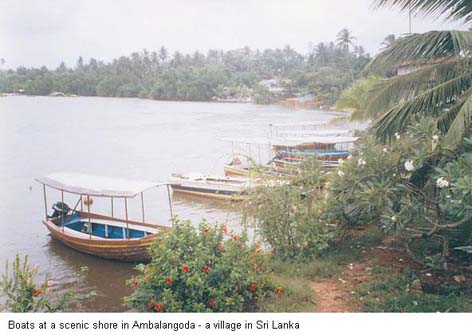
Gentle surf comes tumbling up to the shore and washes over your feet – your own foot bath. The water is clean and cooling. The boat is gliding towards me in a haze of mist. Polished wood slicing through water and making its way to where we are standing and the mists clear a bit, so I can see old Sheena’s face, a little more clearly. He is the fisherman who ferries passengers back and forth.

He spots us waiting on the stone pier and his sun-creased face breaks into a broad smile as he sees us waiting for our ride, as it were. We are his renegade visitors from Bombay whom he saw every year during the holidays. The boat washes up as close as possible to us but we wade out to greet it like the pros we have become after years of visiting grandma. Across from us is her island – a home that she’s known since she was 15 years old and came there as a wide-eyed bride. Her beautiful long hair had allegedly mesmerised my grandpa and that is how she came to be his blushing bride. He took her away to his private space – the island. Now in her 70s, she knows no other home.

We climb into the boat and the helpful kolis (fisherfolk) help with the luggage and then clamber on. They chat with my mother because they have known her since she was a little girl and know everything about her family. Deep, dark secrets don’t stay hidden on the island, they just become part of folk lore. These people have long memories and remember my generous great grandpa very well because he was something of a landed gentry here.

My great grandfather was able to feed his family off the fruits of the earth – literally. There was always a year’s supply of rice which was stored in round casks made of coir. This was lugged out of the attic as and when the stores in the kitchen diminished. Two people were needed to haul it down and the rice grains were fresh as ever and remained untouched by vermin. No state-of-the-art storage requirements needed here.

Fresh coconuts were plucked to be served to visitors. The sweet, cold taste of freshly sliced coconuts still tingles my tongue. Every part of the coconut is used – the coconut milk is like alchemy in fish gravies, the tender meat is for garnishing chicken masala or any of the seafood that was cooked. The husks were used to light the stove in the ancient kitchen. The dried palm fronds were made into mats and all weather coverings for windows and also made very versatile awnings over doorways.

Our family also had boats to give out to the fishing community and they paid us in kind. So, we had a succulent and fresh catches of the day delivered to our doorstep. My mother has never tasted better seafood anywhere else since. I call that being spoilt for choice!

The island approaches and we have to get off on a sandy bed because it is the dry time of the year. The luggage is merrily hoisted on many other shoulders apart from ours and people march on with it. They know exactly where to drop of it off and besides we need to keep our balance and not tumble into the water. But what they don’t know is that by then I’ve become almost like them. I can jump into boats and off them and wade through shifting sands in knee-deep water with a bag on my shoulder in skintight jeans. It’s the jeans which fools them. My mother worries that if I do tumble overboard, the heavy denim will drag me down and not keep me afloat. Oh mothers!

My grandmother is there now waiting for us at the top of the stone steps, cut into the side of the island in perfect symmetry. She knows we are here because the luggage got to her before we did. And the neighbours gather too for a warm welcome. My uncle climbs down to help us and we all walk into my grandma’s waiting arms.

We are all examined for damages, if any and then led through a coconut grove to the first yellow painted house. For years it was not called anything but the Christmas cards I sent always got there on time. Now it is named after my cousin – Marina Villa. The sand is soft and wet, bare feet sink as if on a luxurious Persian carpet. The sweet water well with the sign of the cross, which my great grandfather dug is there where it will always be – immovable. It’s got a cemented porch kind of area, where the neighbours come to sit and talk while taking turns at the pulley! This is where the gossip flows and plans are made. This is also where I’ve taken a cold shower plenty of times, especially after a hectic day on the beach, on the other side of the island. We avoid trailing sand into the house as much as possible because no one keeps their homes shut and therefore sand gets in anyway. But I’ve yet to see an unclean house or courtyard.

So after lazying around on the beach, I go to the well and clean off. I know how to work the pulley very well but my mother must have told them to keep me away from the edge in case I decide to take a better look inside! So the women keep pulling up pots of fresh water and pouring it over my head. On hot summer days, this is the closest you could get to nirvana.

The spirit of community is so great that people drop by to share meals without any formalities involved. There is always extras to go around. If there is a wedding, communion, confirmation or even a funeral, everyone pitches in to cook and help the family. Weddings especially can be fun because the ribbing and teasing starts long before the wedding night. With a houseful of relatives and neighbours, it's hard for the poor bride/groom to get away for a moment to themselves.

There was a time when, even wedding feasts were cooked at home entirely. I remember when my uncle and aunts got married, how the chicken dishes and idlis were made at home, in huge vats. This was possible because everyone showed up 2-3 days earlier and skinned chicken, diced vegetables, ground rice and masalas by hand. All this was accomplished by an efficient division of labour and done all through the night, accompanied by music and ribald jokes!

Men skinned, cleaned and cut meat - chicken, mutton, pork, while women ground spices and rice. All this was done in the huge open courtyard, often with kerosene lanterns and moonlight for company. I've been there and know what fun this is and what kind of camaraderie people shared. Now, ofcourse, the catered buffet has spread to Mangalore as well.

Most people enjoy Christian weddings because they serve alcohol, while other communities in India don't even serve non-vegetarian food. So, most children too sneak a sip or two of harder drinks that they would normally be forbidden. But it also goes without saying, that later on, alcoholism seems to strike many people - both men and women - though more men have fallen victim than women. Doing anything in a low-key manner is not an Indian tradition and drinking is one of them!

Here days begin early as cows have to be milked and then taken out to pasture and cowsheds cleaned. Then courtyards are swept energetically and water is fetched. Tea is prepared with hot dosas or idlis with tangy coconut chutney. Every meal is a rice-based gastronomic affair because that is the staple grain here. So you will never see chapatis being cooked in a traditional Mangalorean household. The same goes for urban breakfasts that consist upma, cornflakes, fruits etc. My grandma would think we were snacking on junk food! Fruits were always for after meals or if necessary in between meals if you were hungry. Farm fresh eggs from our own hens were always there and they tasted divine. Warm buns and loaves of new, succulent baked bread with just a hint of sweetness was always on the table because somebody always went across the river to the bakery before we kids even rolled over in our sleep.

Then everyone trooped out to the fields for the second time in the day before it got too hot to work. They returned around 11.00 am to have a mid-morning meal of thick brown rice stewed in its own water, some vegetables with grated coconut which was tasty in its simplicity, some home-made mango pickle and sun-dried jackfruit or chilli papads patiently made by an aunt over the summer months, just in time for us to descend in hordes and devour them. The brown rice would also be laced with ghee (clarified butter) got from our cows. My grandma would bring out this huge jar from her storeroom of delicious, yellow-coloured ghee and liberally pour it for everyone. I later learnt the secret to my grandma’s cooking – the taste was so phenomenal because she cooked everything in this pure ghee as opposed to vegetable oils bought from shops. My mother and aunts have inherited this habit from her. Only today, it is not unusual for my mother to come back from her trips to Mangalore with cans of pure coconut oil which is judiciously used over more than a year.

Everyone is so ecologically aware of how to use the resources around them to the maximum, there is a lesson here for us city folks. Coconuts would be taken across the river to the oil mill. The rice would also be milled across the river. Toddy, a fermented drink got from the coconut would be taken to the opposite side of the island, on the sea side because this is where the fisherfolk and the toddy tappers lived and they make toddy in huge vats over wood fires. Actual, freshly brewed toddy tastes like well, Irish coffee. That is the closest description I can think of. With just a taste of something other than coconut in the drink. Just like Baileys Irish cream never overwhelms the coffee but complements it.

The salty air does whip up an appetite and the days are spent lolling in the fields or going for boat rides around the island or chugging on a motorized launch with fishermen. These fishermen operate on the seaward side of the island and therefore they don’t upset the rhythm of my grandma’s or her neighbours’ households. The fishermen sometimes set out at night to do a spot of fishing and I’ve heard them sing as they mend their nets on the beach before setting out. With just paraffin wax lanterns lighting their way and the stars guiding them on their journey, the boats look like so many fireflies out on the water. With the river on one side (where Sheena’s ferry service operates), the paddy fields in between and the sea on the other side, this is Kodi – my private island in Mangalore, in every sense of the word.


Written for Jetwings

Thursday, January 26, 2006

Fresh strokes

Today trained art restorers work their magic to give ancient pieces of art a new lease of life. Art infuses our lives – from the banal to the exalted. Not everyone can have a statue of Michelangelo’s David in his or her living room but it is there, in Florence, awaiting your visit.

Closer to home, most people eat off delicate ceramic and porcelain tableware, yet its utilitarianism does not detract one from its inherent beauty. Art’s vast and stimulating terrain encompasses all – metal work, pottery, sculpture, woodwork and paintings. Paintings, on the other hand, will always be talked about in more authoritarian tones. Experts will critique the latest star on the firmament; art gallery curators will push yet another talent and eager buyers will queue up for a slice of the new colourful palette. How do paintings evolve and culminate as a finished piece of expression? In many cases, this is a labour of love and many hours of toil locks a secret, which only an intimate will be able to uncover.

Robert Browning put it succinctly in a poem called, The Last Duchess: “Fra Pandolf chanced to say, “Her mantle laps over my lady’s wrist too much” or “Paint must never hope to reproduce the faint half-flush that dies along her throat.” The above lines are evocative of the perfection of the duchess’ beauty and the skill of the painter.

In the poem, a duke is showing a guest this painting of his wife done by a friar, Fra Pandolf. The monk has recreated the curve of her cheeks with just the right tinge of blush gracing her throat. The duke speculates that the lovely flush of her skin, may be due to a comment by the chaste monk on her mantle lapping her “wrist too much”.

Here, the duke insinuates that an austere monk may have dared to flirt with his beautiful wife and she may have been glad to receive his attentions. Thus, the painting reveals both the duke’s suspicions and the sheer talent of the painter. The painting became for the duke, a living memory of his wife’s youth, beauty and suspected infidelity.

The painter had done her justice. The painting immortalised the duchess’ beauty for posterity to admire, while in reality the duke had her killed in a fit of possessive rage. With so much art gracing so many homes, it is inevitable that it needs taking care of. If only the usual phadka (swipe) with a dust cloth would do! But priceless investments need time and sometimes professional care.

So what do you do, if you see paint chipping off from your Hussains, Aras or Vaikunthams? There is no need to panic and call your insurance company to see if it is a fake. It would be best to take it to an art restorer. Paintings are now purchased as much for their investment value as for their intrinsic visual appeal. They add value to the écor of a home and require as much upkeep as the family silver. This is when art restorers come into the picture.

A restorer’s sure and steady hand scrapes, peels and retouches paintings. Colours are brought back to life and grime is peeled away from the surface of paintings. Any normal wear and tear is also taken care of by their able hands. A painting may deteriorate owing to many reasons, the chief ones being: fungus, which spreads over its surface, grows through surface layers and breaks pigment particles. A more concerted invasion of the painting causes a powdering of the weakened paint.

The second is the environment, where a sudden change in conditions can harm a painting. Water seepage through walls also damages paintings because microbes in water attack the binding media. Every restorer has a particular technique that he/she prefers and perfects. It is almost akin to leaving your signature on the renewed work of art. The only thing in common restorers have is the fundamental process. Art restorers by and large follow the same guidelines.

All paintings have definite structure, layer upon layer, which finally gives birth to a masterpiece. For instance, an oil painting has:

1. Auxiliary support: It is usually the stretcher or strainer made of wood.
2. Primary support: Material on which the painting is done. Generally it is canvas made of cotton, linen, jute, paper or board.
3. Ground: Usually the glue or glue pigment with inert material.
4. Priming: A layer of colour is applied before a painting is executed.
5. Paint layer: Includes layer of paint, drawing or under painting.
6. Protective coating: Generally this is a final layer of varnish over the painted surface

Here are some sure-fire tips towards restoring art:

1. Condition: The first thing to determine is the condition of the
painting and what surface it has been painted on. It could be cloth, wood (even plywood) or jute canvas. Then, the medium needs to be checked – whether it is oil (also called royal medium), water or acrylic. Acrylic paints are soluble in water, and after drying turn to plastic. This provides durability as well as the same effect as oil paint.
2. Clean the surface: This is the risky bit because chemicals are used to clean out the dust and fungus collected on the surface of the painting. It is also time consuming, where every part of the painting has to be cleaned very minutely – sometimes a square inch at a time for a badly damaged work. Paintings coloured over
by amateurs pose a far greater problem. These additional layers have to be removed to get down to the original colours. If not done correctly and carefully, the base surface could get destroyed.
3. Retouching: This is where the play of light and colour comes into its own. To figure out the artist’s original shades and tones and to duplicate them is almost like creating the painting afresh. This is all about the skill of those magical fingers. Some restorers trust their intuition and others let the paintings speak to them and guide them.

‘Western’ colours (these colours are unique to a specific brand of paints, especially a foreign brand like Winsor & Newton, and may be almost impossible to duplicate) are the hardest to figure out. Even if a painter were to be observed at work, it would be hard to tell just how much of this and that colour has gone into making a third shade.

So imagine going at it blindfolded! To get just the exact colour is a mark of excellence. A poor restoration job will show blotches that are more prominent than the painting itself. The weaves of the new canvas should exactly match the original or else it will disturb the visual continuity after retouching is done.

4. Varnish: This comes in two types – matt lacquer and glossy finish. The restored painting is varnished to protect it from the weather and to preserve the colours. Then the painting is waxed. Wax is melted and applied to the back of the painting. This prevents moisture from seeping in from behind and ruining the painting. Kashinath Salve, painter and former professor at JJ School of Fine Arts has just restored a Laxman Shreshta.

His expert advice for those interested in preserving art is: “Pencil drawings, charcoal sketches and even oil and acrylic paintings are easier to restore while watercolours are the most difficult.” Salve is the person most people in the know go to, to rescue their paintings. For instance, recently, he was asked to work his magic on a Jehangir Sabhavala. So, his is the expertise you would need to bring your paintings back to life.

Every restorer has a particular technique that he/she prefers and perfects.It is almost akin to leaving your signature on the renewed work of art

In India, one of the premier restoration institutions is The Indian National Trust for Arts and Cultural Heritage (INTACH) in New Delhi–the umbrella body looking into the preservation of art. INTACH has 11 conservation institutes all over India, which preserve priceless artefacts for generations to come.

In 1998, INTACH’s Delhi Conservation Centre in collaboration with NGMA restored some Raja Ravi Verma and Amrita Sher-Gil paintings, which are now in private collections. The results are there for all to see – in glorious technicolour detail. Western art restorers have begun and possibly perfected a new technique, which may catch up here in India.

The surface of the painting is coated with a chemical, which adheres to the painting so it can be copied backwards onto another surface. This is then lifted and mounted on to a new base. Apparently, using a similar technique, sometimes a painting is copied on to glass as well. All restorers keep updating their skills. Some have specialised in restoration from art schools in England and USA. Some are painters who are called in to gauge the right colours. The brush once taken up can become
quite addictive. The instinctive nature of art calls out to myriad souls, to help it when in distress. Paintings are no exception. They obsess those who possess them.!

Information:
INTACH, 71, Lodhi Estate, New
Delhi – 110003. Tel no: 011-4641304/
011-4645482. Fax: 011-4611290

INTACH’s Mumbai chapter may be
starting courses in art conservation
shortly. For further information call:
022-22843644 or e-mail:intach1@vsnl.com

Kashinath Salve, an accomplished restorer who is a painter at heart can be contacted at: Robert Money Vocational Institute, Academy of Fine Arts, Next to Queen Mary School, Grant Road, Mumbai. Tel no: 022-23812043. He also conducts courses in pottery, minakari work on copper and painting in all mediums at the Academy. Art materials are given to those who enroll. Open from Monday to Saturday, 11 am to 7 pm.

Sources for this article: Examination & Conservation of Wall Paintings, edited by OP Agrawal, Published by Sandeep Prakashan. ICCI Newsletter No. 31, Sept 2002.
Photos courtesy catalogue: Raja Ravi Varma, Amrita Sher-Gil Restored by Indian National Trust for Art and Cultural Heritage (INTACH) in collaboration with National Gallery of Modern Art (NGMA).

Written for Jetwings - Jet Airways' in-flight magazine

Monday, January 16, 2006

Crisis management: Put on six thinking hats instead of one

Six hats, each a different colour. Each colour signifies a different skill and is assigned to individuals. Collectively, a group of corporate executives will be able to sit together and solve the trickiest business problems, using the colour coded hats as their guide to analyse the company’s problems.

A little creativity can add just the right spark in solving corporate problems, according to Dr Edward Bono, an expert on creativity in management. “Thinking is a skill and like any skill, it can be developed and improved, if one knew how,” says Dr Edward de Bono. In a series of workshops held for Tata Steel executives, Dr Bono highlighted a new technique, ideal for meetings and a collective approach to problem solving.

Dr Bono was invited to speak at the Tata Steel Management Development Centre in Jamshedpur recently. The company had initiated the “Mindset Management” programme in September 1998 to inculcate a new way of thinking in every person in the company. The aim was to expose at least 4,000 people to these concepts. Dr Bono was invited to speak as part of the ‘Mindset Management’ programme. According to Tata Steel Management Development Centre assistant general manager DR Mody, “There is a constant need for each of us to understand ourselves better. The advantage right now for the company is that the people are ready to change.”

The ‘Six Thinking Hats’ approach is designed to move thinking away from the normal argument style. This makes thinking a two-step process. The first step is to make the map. If the map is good enough, the best route will become obvious. The second step is to allot six thinking hats to people. These individuals assign themselves roles as designated by the colour of their hats. The colour of each hat determines how a person should think.

A white hat offers facts and figures objectively. It denotes discipline and direction. The white also indicates neutrality.

A red hat legitimises emotions as an important part of thinking. Feelings become an integral part of the thinking process. It allows the red hat wearer to explore and channelise the feelings of other people in the right direction. There should be no attempt to justify the feelings or to provide a logical basis for them.

A black hat wearer is concerned with negative assessment. The black hat thinker points out what is inconsistent with the facts. This thinker has the responsibility to bring up the risks of a new strategy and faults in a design. He can ask “negative questions” as well as point out why something will not work.

The yellow hat denotes positive and constructive thinking. The colour symbolises brightness and optimism. This thinking is concerned with positive assessment. It covers positive perspectives ranging from logical thinking at one end to dreams, visions and hopes at the other. The yellow hat thinker explores for values and benefits and then attempts to find practical support for this benefit. This kind of thinking is constructive and can be speculative.

The green hat signifies creativity. Ideally, both thinkers and listeners should be wearing green hats. The colour symbolises growth and fertility. The thinker moves beyond accepted boundaries looking for alternatives. He provokes people out of complacency.

The blue hat is the control hat. This thinker defines parameters, lays ground rules, decides who wears which hat. He is responsible for overview and summaries. He encourages the “map” kind of thinking, ends disputes and enforces discipline.

Logical thinking is a process of selection and elimination of ideas. Words with negative connotations — like ‘no’ and ‘not’— should be replaced with a term coined by Dr Bono called ‘PO’. It stands for “provocative operation” and can be used as an “insight restructuring tool”. It also aids in lateral thinking — ie moving tangentially off-the-mark to get at an entirely new idea, instead of using the typical “horizontal” thinking approach.

For instance, the PO technique was successfully applied at the Shell Oil Company, where Dr Bono suggested that they should drill oil wells horizontally instead of vertically and the drill head should be powered hydraulically. Shell implemented this idea and reported a fourfold increase in oil yields. In this case, the provocation directly became the idea. In most cases, it helps to think out of the hat, literally!

Organisations planning to do more than lip service to use creativity productively have in-house consultants. British Airways chief Sir Colin Marshall says he realised that “unless there was a ‘nominated champion’ who was given responsibility for making something happen, nothing ever did happen”. This fact was also realised by Du Pont, which appointed David Tanner as its “process champion” for creativity.

The need for a PO crusader is felt only during the time of crisis. But it should be a designation built into the corporate fabric. The PO officer keeps creativity on everyone’s agenda, Dr Bono says.

Written for The Financial Express